Jackson Township, NJ 08527

Jackson Township, NJ 08527
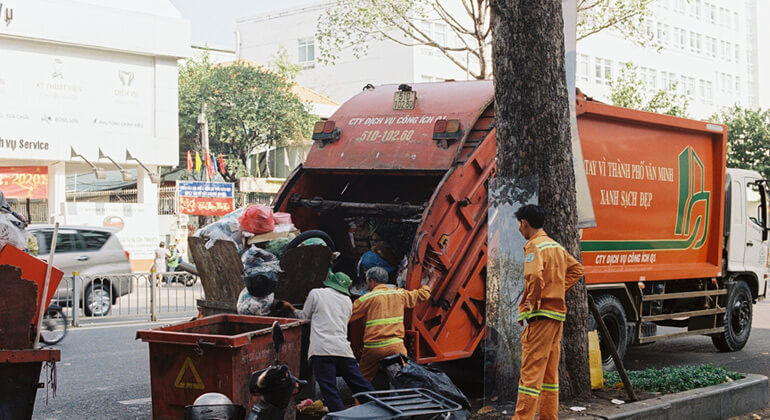
Waste is part of everyday life. From food scraps to old electronics, we produce waste without even thinking about it. This breakdown of common waste types and how to dispose of them is designed to help individuals, households, and communities understand waste better and manage it responsibly.
Proper waste disposal isn’t just a good habit—it’s essential. When waste is mishandled, it pollutes air, water, and soil. Over time, this leads to health risks and environmental damage. Thankfully, with the right knowledge and simple actions, anyone can make a difference.
This guide breaks things down clearly, using practical examples and easy language. Let’s walk through the most common waste types and how to dispose of them the right way.
Waste management refers to collecting, transporting, processing, and disposing of waste materials. It sounds technical, but at its core, it’s about keeping our surroundings clean and safe.
Every year, the world generates billions of tons of waste. Without proper systems, cities would struggle to function. Effective waste management reduces pollution, conserves resources, and protects public health.
Understanding the breakdown of common waste types and how to dispose of them helps people sort waste correctly and avoid harmful mistakes.
Proper disposal is more than cleanliness—it’s about responsibility.
Key reasons it matters:
When waste is dumped illegally or burned openly, toxins are released. These toxins can contaminate food chains and water supplies. That’s why knowing how to handle each waste type is crucial.
Waste isn’t all the same. Different materials require different handling methods. Below is a clear breakdown.
This includes everyday household waste like:
It’s the most common type of waste produced daily.
Organic waste comes from natural sources:
This waste decomposes naturally and can be composted.
Recyclables are materials that can be processed into new products:
Proper separation is key here.
Hazardous waste is dangerous if mishandled:
These materials can be toxic or flammable.
Also called e-waste, this includes:
E-waste contains valuable metals but also harmful substances.
This waste comes from healthcare settings:
It requires special treatment to prevent infections.
Municipal solid waste should be sorted before disposal. Most cities provide bins for general waste and recyclables.
Best practices:
Waste should never be burned openly. Instead, it should go to authorized landfills or waste treatment facilities.
Organic waste is one of the easiest to manage sustainably.
Recommended methods:
Composting turns waste into nutrient-rich soil. It reduces landfill load and greenhouse gas emissions.
Recyclables must be clean and dry.
Steps to follow:
Improper recycling can contaminate entire batches, making them unusable. According to the U.S. Environmental Protection Agency, proper recycling saves energy and reduces pollution.
Hazardous waste needs extra care.
Safe disposal methods:
Never pour chemicals down the drain or throw batteries in regular trash.
E-waste disposal is growing in importance.
Options include:
Recycling electronics recovers metals like copper and gold while preventing toxic leaks.
Biomedical waste must be handled by professionals.
Key steps:
This protects sanitation workers and the public from infections.
Improper disposal leads to:
Plastic waste, for example, can take hundreds of years to decompose. Understanding the breakdown of common waste types and how to dispose of them helps reduce these long-term impacts.
Everyone has a role to play.
Individuals can:
Communities can:
Small actions, when multiplied, create big change.
Governments set rules to manage waste safely. These include:
Countries with strong policies see cleaner cities and healthier populations.
Municipal solid waste is the most common, produced daily by households and businesses.
No, only certain types are recyclable. Always check local guidelines.
It contains toxic substances that can harm humans and the environment.
Valuable metals are recovered, and harmful components are safely treated.
Yes, small compost bins or community composting works well.
Poor disposal releases greenhouse gases like methane, contributing to global warming.
Understanding the breakdown of common waste types and how to dispose of them empowers people to act responsibly. Waste management isn’t just a government job—it’s a shared duty.
By sorting waste correctly, choosing eco-friendly disposal methods, and spreading awareness, we can protect our planet for future generations. The path to a cleaner world starts with informed choices, and those choices start today.
Leave a Comment